- Family & Friends Getaways When the City Is Busy During Ganesh Chaturthi Celebrations
- A Complete 2-Day Kundalika Experience: Rafting, Rope Activities and Riverside Stay
- 2 Days in Ponda During Monsoon: Waterfalls, Spice Plantations, Adventure and a Forest Stay
- Kundalika Rafting Age, Weight, and Fitness Guide
- Chilla Vs Central Rishikesh: Where Should Families and Nature travellers Stay?
- Vikramgad Monsoon Travel Guide: Forest Stays, Warli Culture and Outdoor Experiences Near Mumbai
- Mumbai to Nature Trails Kundalika: Best Monsoon Route, Travel Time and 2-Night Plan
- Nature and the Ganges: A Wellness Spiritual Weekend in Rishikesh
- Best Time to Visit Hampi: Is July the Perfect Month for Your Trip
- Adventure Resort in South Goa for Families, Friends and Corporate Teams
- Hampi For A Family Getaway in Monsoon? An Ancient Heritage and Adventure Journey
- South Goa in Monsoon: Discover Waterfalls, Forest Trails and Nature Adventures Beyond the Beaches
- Monsoon Magic in Rishikesh: Things To Explore Safely During Rainy Season
- Perfect 2 Day Kolad Adventure Itinerary from Mumbai and Pune
- Looking for a Stay in Kolad for River Rafting: Resort, Camp or Day Trip?
- Planning a Corporate Monsoon Offsite Near Mumbai: One-Day Outing vs Overnight Resort Retreat
- Kolad River Rafting in Monsoon: Travel, Safety and Stay Guide
- Pet-Friendly Monsoon Resort Near Mumbai, Nashik and Surat for a Nature Escape
- Monsoon Adventure Resort Near Mumbai: Waterfalls, Forest Trails and Adventure Activities at Durshet
- Two-Day Sajan Getaway Near Mumbai: Tree House Stay, Kayaking and Forest Adventure Quick Guide
- Durshet, Karjat or Lonavala? Comparing Family Monsoon Getaways Near Mumbai
- Tree House or Resort Room? Choosing the Best Family Stay Near Mumbai for Your Weekend Getaway
- Top Resort Near Vikramgad for Monsoon Escapes and Weekend Trips
- Kundalika River Rafting in Kolad During Monsoon: Complete Guide
- Sajan Tree House Stay Near Mumbai: Why Families Love Sajan
- Best Monsoon Resorts Near Mumbai for Families
- Best Resort Near Vikramgad for Monsoon Weekend Trips
- Family Weekend Getaways Near Mumbai During Monsoon
- Best Adventure Resort Near Mumbai for Families
- Things to Do in Kolad During Monsoon
- Tree House Stay Near Mumbai: Why Families Love Sajan
- River Rafting in Kolad During Monsoon: Complete Guide
- Some Journeys Slow You Down
- Most People Have Only Seen One Version of Goa
- Warli Art, Tribal Culture & Forest Stays Near Palghar An Offbeat Weekend at Nature Trails Sajan
- Monsoon in Rishikesh Does Not Have to Be Intimidating
- Corporate Team Outing Near Mumbai with River Activities
- Best Resort Near Vikramgad for a One-Day Picnic from Mumbai
- The Trip You Keep Meaning to Take
- Summer Camp for Kids Near Mumbai — Outdoor Learning and Adventure at Nature Trails Sajan, Vikramgad
- Best Weekend Resort Near Kolad with River Views and Rafting
- What Happens When You Disconnect for a Weekend
- Hampi Beyond the Ruins Outdoor Experiences Most Travellers Miss
- Why Guided Outdoor Experiences Feel Safer and More Memorable
- Treetop Stays, Bonfires & Slow Mornings Why Sajan Feels Different
- What Makes a Great Corporate Offsite Today — Hint: It Is Not a Conference Room
- A Different Side of Goa: Trails, Forests, Rivers & Outdoor Escapes
- Why Kids Remember Outdoor Weekends More Than Resort Vacations
- First-Time River Rafting Guide for Families
- Why Families Are Choosing Outdoor Retreats Over Traditional Resorts
- Best Budget Friendly Resort Near Hampi for Backpackers
- Outdoor School Trip Destination Near Mumbai for Students
- Hampi with Kids Family-Friendly Things to Do
- Weekend Getaway from Bangalore to South Goa
- Adventure Stay Near Imagicaa Khopoli
- Solo Travel in Rishikesh
- Best Resort Near Ponda Goa for Couples Looking for Quiet Over Crowds
- Best Resort Near Rishikesh for a Summer Retreat
- Best Summer Resort Near Mumbai and Pune with Pool and Outdoor Activities
- Best Resort in Kolad Near River Rafting for Family and Weekend Stays
- Best Nature Resorts in Ponda Goa for a Peaceful and Scenic Stay
- Best Nature Resorts Near Rishikesh with Easy Access to the Ganga
- Best River View & Adventure Resorts in South Goa
- Best Adventure Resorts Near Hampi with Activities for All Ages
- Best Resort in Wada Palghar for One Day Picnic Near Mumbai
- Best Resorts & Hotels Near Rajaji National Park and Laxman Jhula Rishikesh
- Best Resort Near Karjat for Weekend Getaways from Pune and Mumbai
- Resorts Near Rishikesh with Swimming Pool & Balcony Rooms
- Best Resorts in Hampi for Couples: Romantic Stays Near Hampi
- Best Jungle and Forest Resorts in South Goa for a Unique Nature Escape
- Best Hotels Near Kolad River Rafting for Family and Budget Stays
- Best Resorts for Corporate Picnic and Team Outing Near Mumbai & Surat
- Best Adventure Resorts Near Pune for Weekend Getaways with Family and Friends
- Bungee Jumping Rishikesh Guide: India’s Most Thrilling Adventure Experience
- Cycling in Hampi: The Best Way to Explore the Ruins
- Delhi to Rishikesh Road Trip: One of North India’s Most Scenic Drives
- Anegundi Village Guide: The Quiet Cultural Side of Hampi
- Ganga Aarti Rishikesh Experience: What It Really Feels Like to Witness It
- Spice Plantation Tour in Goa: Discover a Different Side of the State
- Bangalore to Hampi Road Trip
- Dudhsagar Waterfall Day Trip: How to Visit from Goa
- Matanga Hill Sunrise Guide: Why This Hike Is the Most Magical Moment in Hampi
- North Goa vs South Goa: Which One Should You Choose for Your Trip
- Monsoon Resort Near Mumbai: Why Durshet Is the Perfect Rainy Season Escape
- Coracle Ride in Hampi: A Simple Boat Ride That Becomes a Travel Memory
- Couples Resort Near Pune: A Romantic Nature Escape at Durshet
- River Rafting in Kolad: Beginner’s Guide to Kundalika River Adventure
- Treehouse Stay Near Mumbai: Unique Nature Escapes
- Offbeat Hampi: 7 Hidden Gems Tourists Miss
- 48 Hours in Hampi: Perfect Weekend Itinerary
- Goa in Monsoon: Why It’s the Best Time to Visit
- Family Vacation Goa: Off-the-Beaten-Path Experiences
- Rishikesh in Winter: Ultimate Adventure Season Guide
- Family Rafting in Rishikesh: Safe Routes & Best Operators
- Eco Tourism Goa: Travel Guide 2026
- Beyond Beaches: 10 Adventure Activities in South Goa
- Yoga + Adventure: The Perfect Rishikesh Retreat Combo
- Rishikesh Beyond Yoga: Adventure Capital of India
- Rock Climbing in Hampi: Beginner’s Guide to Boulder Paradise
- Travel Guide: UNESCO Heritage Meets Adventure
- Hampi Beyond the Ruins: Nature, Silence, and Slow Travel Experiences
- Winter in Hampi: Best Time to Visit, Things to Do, and Where to Stay
- Things to Do Around Hampi for a Relaxed and Unhurried Holiday
- Why Staying Near Hampi’s Rock Hills Makes Your Trip More Peaceful
- A Quick Travel Guide to Hampi: Best Places to Visit and Explore
- Pet-Friendly Forest Getaways: Exploring Nature Trails Sajan with Your Furry Friend
- A Beginner’s Guide to Exploring Sajan’s Forest Trails and Adventure Zones
- Why Kundalika Is More Than Rafting: Nature, Silence & Offbeat Experiences
- Beyond the Rapids: Exploring Kundalika’s Serene Nature Trails and Wildlife
- Top Family-Friendly Forest Treks & Adventure Activities at Nature Trails Durshet
- Why Winter is the Perfect Time for Outdoor Nature Walks at Durshet
- Family-Friendly Nature Experiences Around Chilla, Rishikesh
- Riverside Stays vs City Hotels in Rishikesh
- Best Time to Visit Rishikesh for Nature Lovers
- Why Rishikesh Is Ideal for a Digital Detox & Wellness Escape
- Slow Travel in Rishikesh: A Nature-First Stay Near Rajaji National Park
- Forest Stays vs Beach Resorts in Goa
- Planning a Family Nature Holiday in South Goa Away from Beaches
- How Nature Trails Riverview Rock Valley Goa Redefines Sustainable Travel in the Western Ghats
- Wildlife, Waterfalls & Forest Trails Near Ponda, Goa
- Best Time to Visit Nature Trails Riverview Rock Valley Goa
- Planning a Corporate Offsite or Group Retreat in South Goa
- Things to Do Nearby While Staying at Nature Trails Rock Valley Resort, Goa
- Why Nature Trails Riverview Rock Valley Goa Is the Perfect Eco-Resort Away from Crowded Beaches
- Top Adventure Activities at Nature Trails Riverview Rock Valley Goa
- Explore the Western Ghats: A Nature Stay Experience at Nature Trails Riverview Rock Valley Goa
- Planning a Relaxing Weekend Getaway to Rishikesh
- A Quick Guide to Staying Near Rajaji National Park in Rishikesh
- Why Nature Trails Chilla Rishikesh Is Ideal for Corporate Offsites in Rishikesh
- Things to Do Near Nature Trails Chilla Rishikesh | Nature, Adventure & Culture
- Best Nature Resort in Rishikesh for a Peaceful Riverside Getaway
- Trade the City Rush for Nature Bliss: Celebrate Christmas & New Year at Nature Trails Sajan
- Bring In This New Year Differently at Nature Trails Kundalika Resort with Kolad Adventure Getaway
- Best New Year Getaway Near Mumbai & Pune | Nature Trails Durshet Resort
- What Makes Winter the Ideal Time for Nature Walks, Campfires & Outdoor Fun
- Winter Solo-Travel Spots Near Mumbai & Pune for Nature Lovers & Adventure Seekers
- Best Couple Adventure Resorts Near Mumbai & Pune for the Perfect Winter Weekend
- Top Forest Adventure Resort Near Mumbai for Winter Holidays with Children
- Top Adventure Resort Near Surat for Safe Outdoor Fun with Kids
- Best Nature Trips Near Surat for Families on a two Day Weekend
- Best Outdoor Activities for Pune Kids To Reduce Screen
- Top Kids-Friendly & Safe Adventure Resorts Near Pune
- Best Nature Resorts Near Navi Mumbai for Quick Family & Friends Escapes
- Best Trekking Trails Near Pune & Mumbai for Beginners and Families
- Why Parents in Mumbai Love Nature Trails Resorts for Screen-Free Family Time
- DINK-Friendly Nature Escapes from Mumbai & Pune Under 4 Hours Drive
- Pet Friendly Getaways Near Nashik & Surat – Escape to Nature Trails Sajan Resort
- Pet Friendly Getaways Near Pune – Escape to Nature Trails Durshet & Nature Trails Kundalika
- Pet Friendly Getaways Near Mumbai | Nature Trails Durshet, Kundalika & Sajan Resorts
- Weekend Getaway with Kids: Safe Family Kayaking at Nature Trails Resorts Near Mumbai, Pune & Surat
- Discover Adventure and Learning at the Best School Picnic Resorts near Khopoli
- Unforgettable Experiences Await: School Picnic Resorts in Palghar
- Adventure Activities at Nature Trails Kundalika Rafting Camp, Kolad
- Adventure Activities at Nature Trails Durshet – Where Nature Meets Thrill
- Adventure Activities at Nature Trails Sajan – The Perfect Escape Near Mumbai & Pune
- Where Paws Meet Adventure: Pet-Friendly Adventure Resorts In Sajan
- Romantic Activities for Couples Near Mumbai, Pune & Surat: Serene Retreats at Nature Trails Resorts
- Perfect Pet-Friendly Resorts Near Mumbai, Pune & Surat: Adventures and Safety at Nature Trails
- Safe Family Adventures With Peace of Mind: A Family Guide to Adventure at Nature Trails Resorts
- Corporate Offsites: Why Winter in Maharashtra is Perfect
- From Diwali to New Year: Celebrate the Festive Season Amidst Nature
- The Ultimate Winter Trekking Spots Near Mumbai, Pune & Surat
- Festive Family Holidays: Kid-Friendly Outdoor Experiences at Nature Trails Resorts
- Why Winter is the Best Time for Adventure Sports at Nature Trails
- Weekend Getaways from Mumbai & Pune for a Different Festive Celebration This Year
- Adventures that Strengthen Family Bonds – Trekking & Teamwork at Nature Trails
- Scenic Forest Bathing for Urban Stress Relief – Why Nature Trails is the Perfect Escape
- Scenic Drives from Mumbai & Pune: Monsoon Road Trips That Feed the Soul
- Thrill Meets Tranquillity Near Mumbai & Pune
- Rural Immersion Near Mumbai: A Soulful Return To Village Life
- Waterfalls, Forests & Adventure Escapes In Maharashtra
- Birdwatching Bliss: Discover Hidden Birdwatching Wonders in Maharashtra
- Romantic Escapes Near Mumbai & Pune: Where Love Meets Lush Greenery
- Sizzle of the Pan: Evening Campfires with Maharashtrian Tapri Snacks
- Rain-Kissed Recipes: Traditional Maharashtrian Dishes You Must Try This Monsoon
- Vada Pav with a View: Maharashtra’s Favourite Snack, Reimagined in the Wild
- From Farm to Frying Pan: Monsoon Snacks Made Fresh in Rural Maharashtra
- Chai & Bhajiya Trails: The Monsoon Combo Every Mumbaikar Swears By
- Beyond Imagicaa: 10+ Tourist Attractions & Nature Escapes Near Khopoli
- STEM in the Wild: Outdoor Science Adventures with Nature Trails
- Building Tomorrow’s Leaders: Leadership Skills Through Outdoor Challenges
- Eco-Warriors in Training: Instilling Environmental Awareness Through Experience
- From Campfires to Confidence: Personal Growth in the Great Outdoors
- Warli & Wellness: Rural Art Meets Inner Peace
- Digital Detox: Reconnect with Nature at Durshet
- Explore the Rich History of Maratha Forts in Vikramgad
- Kayaking Through Kundalika: Maharashtra’s Refreshing Water Adventure
- Nature Walks and Wellness: Reconnect with Yourself in Durshet
- Beyond the Rapids: Exploring Kundalika’s Serene Trails
- Elevated Living: The Tree Top Experience at Nature Trails Sajan
- Weekend Getaway: Rejuvenate at Durshet’s Nature Resorts
- Sajan: Where Nature and Tribal Heritage Thrive Together
- Monsoon Magic in Durshet: Trails, Rain, and a Raw Kind of Getaway
- Cultural Immersion: Exploring Tribal Heritage in Sajan, Maharashtra
- Where the River Slows Down, the Soul Follows: Fishing Along the Kundalika River
- Whispers of the Western Ghats: Durshet’s Hidden Forest Trails
- Family Bonding Amidst Nature: Top Activities in Durshet
- Monsoon Escapes: Experience the Magic of Kundalika
- Beyond the Classroom: How Nature Trails Transforms Learning into Adventure
- Monsoon Escapes Near Mumbai & Pune: Where Green Heals and the Rain Sings
- Weekend Getaways Near Pune in Summer with Swimming Pools and Outdoor Fun
- Summer Holiday Packages from Mumbai & Pune with Kids’ Activities
- Cultural Immersion: Traditional Experiences in Maharashtra's Rural Villages
- Exploring Local Cuisine at Nature Trails Resorts
- Detox Weekends: Rejuvenating Nature Escapes Near Mumbai
- Mindfulness Walks
- Yoga Retreats in Nature
- Forest Bathing
- Multi-Generational Travel
- Organizing the Perfect Group Camping Trip
- Capturing Nature's Beauty
- Sunset Seekers
- Macro Photography Guide
- Time-Lapse Tips
- Team Building in Nature
- Family-Friendly Nature Trails
- Leave No Trace: Eco-Friendly Hiking Tips
- Green Getaways: Eco-Friendly Accommodations at Nature Trails Resorts
- Conservation Efforts: Protecting Maharashtra's Biodiversity
- Sustainable Travel: How Nature Trails is Promoting Responsible Tourism
- Hidden Gems Near Mumbai: 10 Unexplored Nature Trails
- Best Hiking Routes in Maharashtra for Beginners
- Top 5 Waterfalls to Visit Near Pune During the Monsoon
- Birdwatching Paradise: A Guide to Sajan's Diverse Avian Life
- Monsoon Magic : Best Nature Trails to Explore During the Rainy Season
- Summer Escapes: Coolest Nature Retreats Near Mumbai and Pune
- Top Adventure Activities for Educational Institutions to Build Team Spirit
- Why School Picnics in Nature Are the Perfect Break from Classroom Learning
- The Best Choice for Corporate Outings Near Mumbai and Pune
- Top 5 Must-Try Activities at Sterling Nature Trails
- 5 Adventure Activities to Try During Your Day Picnic at Sterling Nature Trails
- Day Picnic Ideas for Families, Couples, and Corporates
- Weekend getaways Trips ,Travel Near Mumbai & Pune at Nature Trails
- Connect with Nature: Discovering Serenity at Nature Trails
- Beat the Heat: Exploring Thrilling River Activities on Kundalika
- Make the Most of Your Blissful Retreat with Nature Trails
- Nature and Adventure Combined: Resorts Near Mumbai Perfect for Outdoor Lovers
- Capture and Cherish: A Day Trip to the Stunning Pune Resort
- River Rafting for Team Building at Nature Trails
- Top Midweek Getaways Near Mumbai for a Quick Escape
- Why Workation is the New Trend: Find the Best Resorts near Mumbai and Pune
- Sustainable Travel Guide: Best Eco-Friendly Resorts Near Pune for Monsoon Retreats
- Best Family-Friendly Weekend Destinations Near Pune and Mumbai
- Nature Trails: Best Eco-Friendly Retreats Near Mumbai
- Exploring the Best Kayaking Spots in Maharashtra: A Guide for Adventure Enthusiasts
- Top 5 Must-Try Activities near Mumbai and Pune
- River Rafting Safety Tips to Ensure a Fun and Secure Experience in Pune
- Building Leadership Skills through Nature Trails Programmes
- Empowering Students Through Environmental Awareness Programmes
- The Benefits of Educational Field Trips for Students of all ages
- Outdoor Learning: A Game-Changer for School and College Education
- Corporate Training Programmes with a Twist Amidst Nature
- Boost Employee Engagement with Nature Trails' Corporate Programmes
- Family Fun Day:Kid-Friendly Day Outing Places Near Mumbai & Pune
- Rebalance Amidst Nature: Top Picnic spots near Pune and Mumbai
- Weekend Getaways for Couples and Family near Mumbai, Pune
- 10 Fun-Filled Activities for Families with Kids Under 10
- Perfect family escapes to enjoy with your little ones
- Seasonal escapes: Each season has something special for you
- Growing & Developing with Nature - Perfect Summer Camp Activity
- Maharashtra's Water Activities Adventure Escapes
- Give Your Team a Breather: Perfect Corporate Outing near Mumbai & Pune
- Wild Wanderlust: Exploring Nature Trails in Mumbai & Pune
- Trailblazing Adventures: Mumbai & Pune Nature Trails
- Explore & Return: One Day Trips Mumbai & Pune
- Adventure & Relaxation: Resorts Near Imagica Khopoli
- Thrilling Rapids: River Rafting in Maharashtra
- Create Magical Moments with Your Family at Nature Trails
- Enjoy Picnics with a View at Nature Trails
- Cherish Romance amidst Serenity at Nature Trails
- Rediscover Balance: Top 10 Nature Trails for Soulful Journeys
- Best Family Weekend Trips from Mumbai and Pune
- Strategic Retreats: Choosing the Perfect Corporate Outing Resort
- Adventure Awaits: Exploring School Trips Together
- Perfect One-Day Picnic Getaways near Mumbai and Pune
- Thrills on the Rapids: Unveiling the Best River Activities Spots
- Exploring Khopoli: History, Heritage, Adventure
- Embark on Thrilling Team Outings with Nature Trails Resorts
- Exploring Sajan in Vikramgad with Nature Trails
- A Beginner's Guide to Exploring Nature Trails: Where to Start
- Nature Trails Resorts: Top adventure resort near Mumbai and Pune
- Autumn Adventures: Exploring Maharashtra's Changing Landscapes
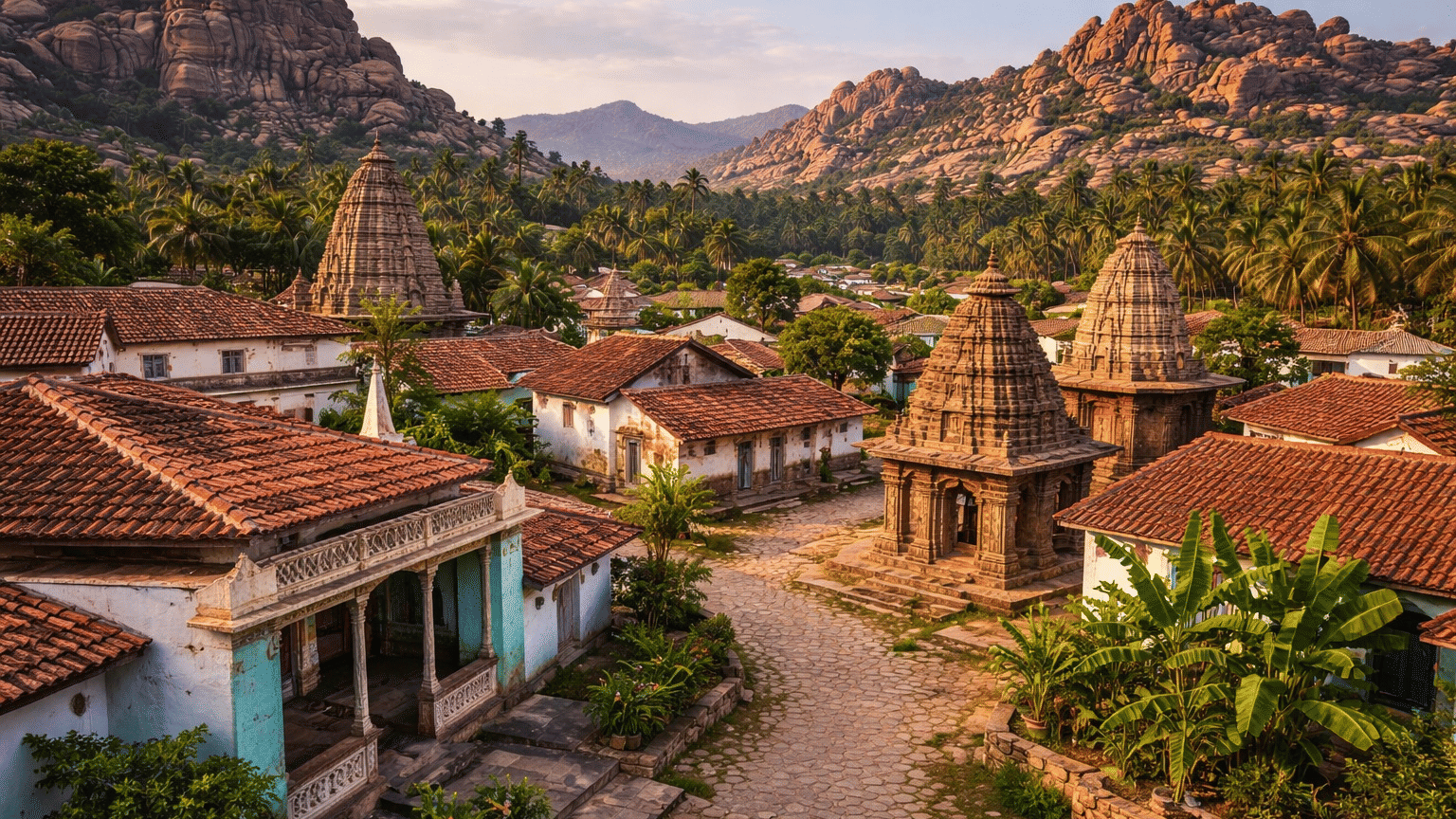
Most travellers arrive in Hampi expecting temples and ruins. And they find plenty of them. But just across the Tungabhadra River lies a place that feels very different from the busy monument areas.
Anegundi. The village moves at a slower rhythm. Narrow streets wind past colourful houses, temple bells echo softly in the morning air, and the surrounding countryside feels calm and untouched. While Hampi tells the story of an empire, Anegundi tells the story of everyday life.
Many historians believe this village is older than Hampi itself, with roots going back centuries before the Vijayanagara Empire rose to power. Today, it offers travellers a chance to explore the cultural side of the region — one that feels more personal and authentic.
Why Anegundi Is Historically Important
According to local traditions and historical records, Anegundi was once an early settlement connected to the Vijayanagara kingdom. Before the grand temples and royal structures were built across the river, Anegundi already existed as a small but significant settlement.
Some legends even link the region to the Ramayana, describing it as part of the mythical kingdom of Kishkindha. While mythology blends with history here, the village clearly holds deep cultural roots. Ancient temples, old gateways, and quiet shrines scattered around the area hint at a long and layered past. Walking through the village, you begin to realise that the story of Hampi is not limited to its famous ruins.
It extends into the surrounding communities as well.
Crossing the Tungabhadra River
Reaching Anegundi from Hampi is part of the experience.
Travellers often cross the Tungabhadra River by coracle, the traditional round boats used by local communities for generations.
The ride itself is peaceful. As the boat drifts across the calm water, you get a completely different perspective of the landscape. Granite boulders rise dramatically along the riverbanks, and palm trees sway gently above small farms and houses.
Within a few minutes, you arrive on the other side — where the atmosphere feels noticeably quieter than the main Hampi bazaar area.
Exploring the Village Streets
Anegundi is best explored slowly. The narrow lanes are lined with colourful homes painted in shades of blue, yellow, and green. Temple towers occasionally appear between houses, reminding visitors that spirituality still plays an active role in village life.
You might see children walking to school, farmers heading toward fields, or elderly residents sitting outside their homes in the afternoon shade. Unlike large tourist centres, the village still feels genuinely lived in. For travellers interested in cultural photography or simply observing daily life, Anegundi offers moments that feel authentic rather than staged.
Temples and Heritage Sites in Anegundi
Although smaller than the monuments across the river, Anegundi has its own historic sites worth visiting.
Pampa Sarovar
This sacred lake is associated with stories from the Ramayana and is considered an important pilgrimage spot. The surroundings are quiet, making it a peaceful place for reflection.
Anjaneya Hill
A short climb leads to a temple dedicated to Lord Hanuman. From the top, visitors can enjoy panoramic views of the surrounding countryside and river valley. The steps leading upward are colourful and lined with small shrines.
Durga Temple
Located near the village entrance, this temple sits atop a rocky hill and offers beautiful sunset views. Though smaller than Hampi’s grand temples, its location makes it particularly scenic.
Read More: 48 Hours in Hampi: Perfect Weekend Itinerary
Village Experiences
Many travellers discover that the charm of Anegundi lies not just in its monuments but in its everyday experiences.
Walking or cycling through the surrounding countryside reveals banana plantations, quiet riverbanks, and open landscapes dotted with granite boulders. Local artisans also continue traditional crafts such as weaving and handmade pottery.
Occasionally, visitors may come across small cultural events or village festivals that offer insight into regional traditions. These simple experiences often leave a deeper impression than crowded tourist attractions.
Cycling Around Anegundi
Cycling has become one of the most enjoyable ways to explore the region. The roads around Anegundi are relatively quiet, making them ideal for relaxed cycling routes.
Travellers often cycle past:
- Small temples hidden between rocks
- Village farms and irrigation canals
- Scenic viewpoints overlooking the Tungabhadra River
Because the terrain is mostly flat with occasional gentle hills, cycling remains comfortable even for beginners. It also allows travellers to explore areas that vehicles cannot easily reach.
Why Many Travellers Prefer This Side of the River
While the main Hampi ruins attract large numbers of visitors, Anegundi offers something different. The pace is slower. The streets are quieter. And the surrounding landscapes feel more connected to everyday life. Many travellers who cross the river expecting a short visit end up spending hours wandering through the village.
It’s a reminder that travel isn’t always about famous landmarks. Sometimes the quieter places reveal more.
Where to Stay When Exploring Hampi and Anegundi
After a day of exploring temples, villages, and viewpoints, most travellers appreciate returning to a peaceful place to rest. Staying slightly outside the busiest monument zones can make the entire Hampi experience feel more relaxed.
Nature Trails Hampi offers a stay surrounded by the region’s distinctive boulder landscapes while remaining within convenient distance of both the Hampi ruins and Anegundi village.
Guests often combine cultural exploration with outdoor activities like trekking, cycling, and river experiences before returning to a calm natural environment.
Book your stay at Nature Trails Hampi through https://www.naturetrails.in/ashoka-resort-hampi/ or call +91 79692 69801.
Why Anegundi Leaves a Lasting Impression
Hampi may be famous for its ruins.
But Anegundi shows another side of the region.
It reveals how history continues to exist alongside daily life.
The temples are smaller. The streets are quieter.
Yet somehow the experience feels just as meaningful.
For travellers who want to see beyond the obvious landmarks, Anegundi offers a glimpse of the living culture surrounding Hampi.
And that often becomes the most memorable discovery of the journey.
Guest Experiences
Deepa Iyer
“Anegundi felt completely different from the main Hampi ruins. Quiet streets, friendly locals, and beautiful countryside.”
Sonal Desai
“We rented bicycles and explored the area around Anegundi. It was peaceful and perfect for photography.”
FAQs
1. Where is Anegundi village located?
Anegundi village is located across the Tungabhadra River from Hampi and can be reached by road or coracle boat ride.
2. Is Anegundi older than Hampi?
Many historians believe Anegundi existed before the Vijayanagara Empire and may be one of the oldest settlements in the region.
3. What can visitors do in Anegundi village?
Visitors can explore temples, walk through traditional streets, cycle around the countryside, and enjoy scenic viewpoints near the river.
4. How much time should I spend in Anegundi?
Most travellers spend two to three hours exploring the village, though cultural walks and cycling trips can take longer.
5. Is Anegundi worth visiting during a Hampi trip?
Yes. The village offers a quieter cultural experience that complements the historic monuments of Hampi.
For a nature stay surrounded by Hampi rock formations and close to Anegundi village and other key Hampi attractions, book your stay at Nature Trails Hampi through https://www.naturetrails.in/ashoka-resort-hampi/ or call +91 79692 69801.